Relevance Researchers’ Network
The network was set up in January 2021 by Ryoko Sasamoto and Kate Scott to provide a space for researchers working on relevance theory to share ideas and discuss their work.
Relevance theory is a theory of cognition and communication which developed out of work in pragmatics but is now used by researchers from a range of fields and disciplines. We identified a need to bring together researchers working in the field to nurture collaboration and provide a space for interaction and development.
This network was founded in January 2021. We wanted to take advantage of the new opportunities afforded by the increased use of online conferencing to bring together researchers from all over the world.
Our membership comprises an international group of over 100 members including PGR students, ECRs, postdoctoral researchers and professors from over 20 different countries.
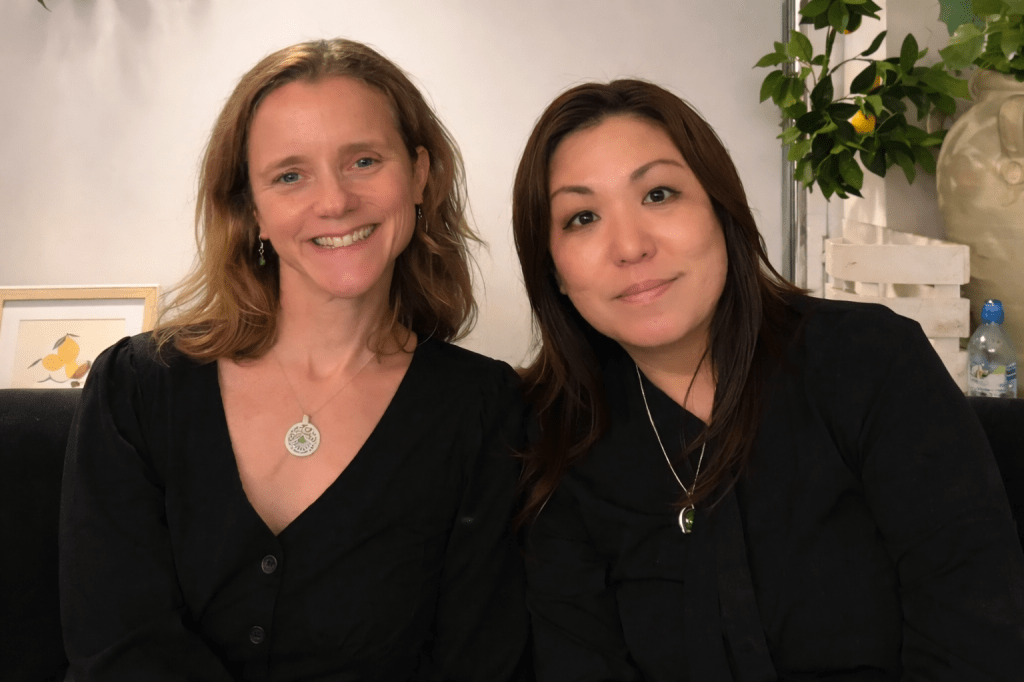
About Ryoko Sasamoto
Ryoko Sasamoto is Associate Professor in Linguistics at Nara Women’s
University, Japan. Her research is in an interdisciplinary area, working
across pragmatics, audiovisual translation, and reception studies where
she examines how people communicate beyond verbal meaning, with
particular focus on resemblance. Her research covers onomatopoeia,
multimodality, and digital media interaction, and combines theoretical
and empirical approaches, including eye-tracking. She is a co-founder
and co-organiser of the Relevance Researchers’ Network.
About Kate Scott
Kate Scott completed her PhD in 2010 at UCL under the supervision of Professor Deirdre Wilson. She then taught at UCL and at Middlesex University before joining Kingston University in 2012. Although her research focuses primarily on language and linguistics, her interests are broad and intersect with literary and media studies. She has published on the language of social media and has used ideas from linguistics in the analysis of literary texts. Kate’s research focuses primarily on the pragmatics of language, and she has applied ideas from the relevance theory pragmatic framework to a range of data and texts. Her PhD thesis focused on the pragmatics of reference, and this work has since been published as a monograph by Cambridge University Press. A second key strand of Kate’s research focuses on the pragmatics of digitally-mediated communication, and she is author of Pragmatics Online.
 Relevance Researchers' Network